Disease Prevention Habits For Families
Families today are becoming more aware that good health is not only about treating illness, but also about preventing problems before they begin. In a world filled with fast-moving lifestyles, changing weather patterns, and increasing exposure to viruses and chronic conditions, many households are starting to rethink their daily routines. Small actions that once felt ordinary, like washing hands properly, getting enough sleep, or preparing balanced meals, are now seen as powerful ways to protect long-term wellness for every family member.
Building strong disease prevention habits is no longer just a medical recommendation, but a lifestyle decision that can shape the future of an entire household. Parents are becoming more proactive in creating healthier routines, children are learning the importance of hygiene earlier, and communities are paying closer attention to preventive healthcare. As Dr. Vivek Murthy, former U.S. Surgeon General, once said, “Health is not just about avoiding illness, it is about creating the conditions that allow people to thrive every day.” That idea reflects why prevention has become one of the most important conversations in modern family health.
Why Disease Prevention Matters For Families
Healthy living often begins inside the home long before anyone notices symptoms of illness. Many families only realize the importance of prevention after dealing with repeated infections, exhaustion, or health complications that could have been reduced through better daily routines. This is why creating awareness around prevention can completely change how a family protects its physical and emotional well-being.
Modern households are also paying closer attention to family disease prevention because health challenges today are not limited to one age group. Children, adults, and older family members all face different risks that require consistent care, balanced lifestyles, and smarter wellness habits. When prevention becomes part of everyday life, families often feel more energetic, emotionally connected, and prepared for unexpected health challenges.
Reducing health risks at home
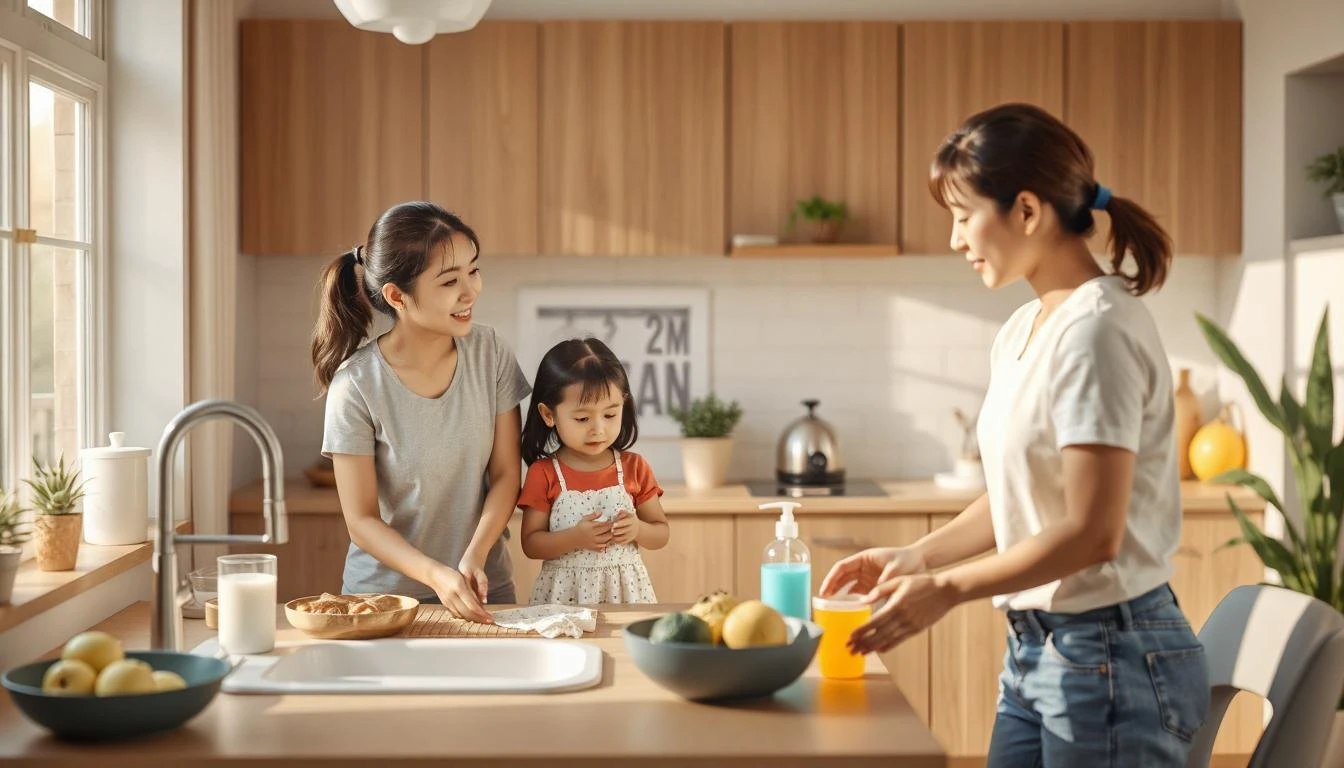
One of the biggest sources of illness transmission actually starts in familiar places around the house. Shared surfaces, poor ventilation, and inconsistent hygiene practices can quietly increase exposure to bacteria and viruses without anyone realizing it. Something as simple as cleaning frequently touched objects or improving airflow in living spaces can make a noticeable difference in overall household wellness.
Families that actively reduce health risks at home also tend to develop stronger awareness about early symptoms and healthier behaviors. These routines create an environment where prevention becomes natural instead of forced, especially for children who often imitate the habits they see every day.
Building healthy family routines
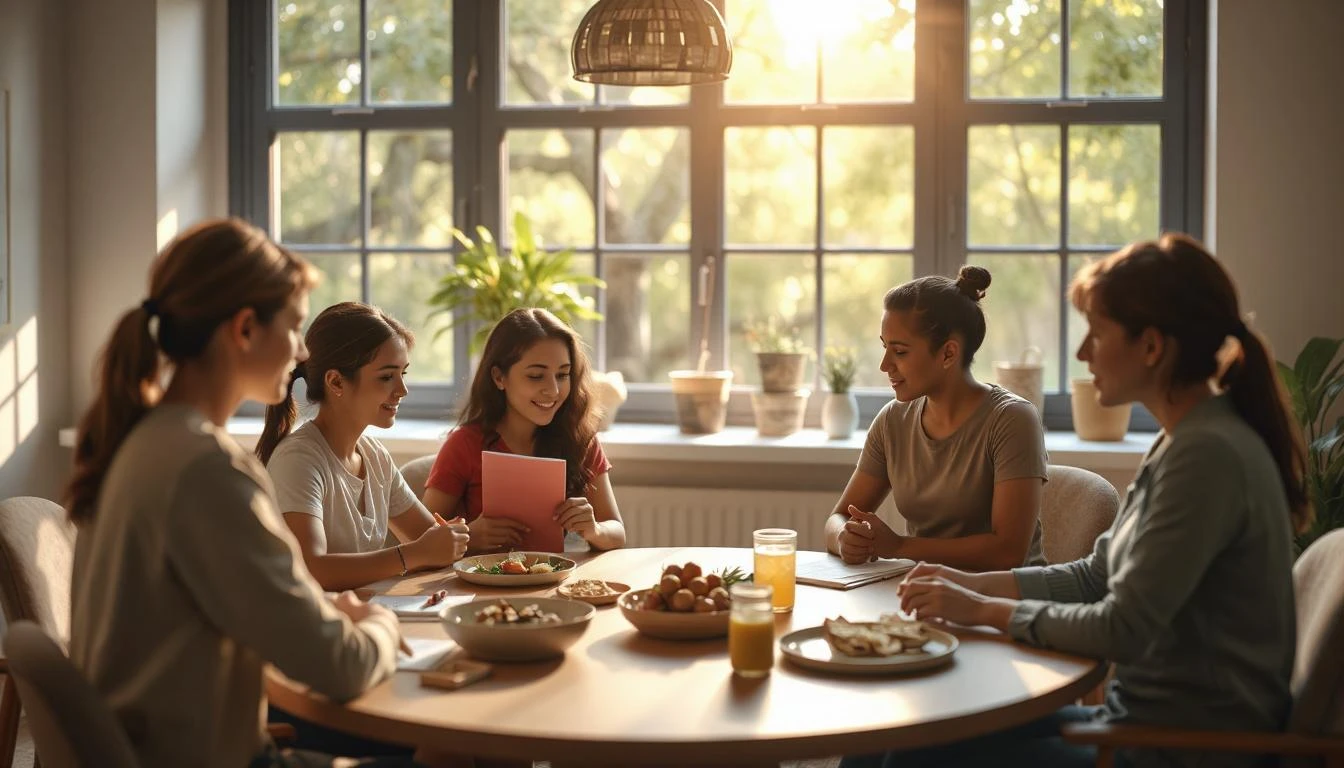
Consistent routines are surprisingly powerful when it comes to long-term health protection. Regular sleep schedules, balanced eating patterns, hydration, and outdoor activity all support stronger immunity and better physical recovery. Families who spend time together through healthy routines also create emotional stability that contributes to overall wellness.
Even small adjustments can have meaningful effects. Eating meals together without distractions, encouraging movement after long screen time, and setting healthier bedtime habits may seem simple, yet these routines quietly strengthen both mental and physical resilience over time.
Encouraging preventive healthcare habits
Preventive healthcare is not only about visiting doctors when problems appear. It also includes regular screenings, health education, vaccinations, and understanding how lifestyle choices influence long-term wellness. Families that prioritize prevention often recognize health concerns earlier and respond more effectively before conditions become severe.
Dr. Anthony Fauci once explained that prevention remains one of the strongest tools in public health because proactive care reduces risks before they become widespread problems. That perspective continues to influence how families approach wellness in everyday life.
Essential Habits For Family Health Protection
Strong health protection rarely comes from one single habit. Instead, it grows from multiple routines working together consistently over time. Families that focus on prevention usually create healthier environments that support immunity, emotional balance, and long-term wellness for every generation inside the household.
Daily choices also matter more than many people think. The foods served at dinner, the cleanliness of shared spaces, and the willingness to prioritize regular health checks all contribute to stronger protection against preventable illnesses.
Proper hygiene and sanitation
Good hygiene remains one of the simplest yet most effective ways to prevent disease transmission. Proper handwashing, clean cooking areas, and regular sanitation of frequently touched surfaces help reduce exposure to harmful germs inside the home.
Families that maintain strong hygiene routines also teach children valuable lifelong habits. Over time, these practices become automatic behaviors that support safer living conditions without creating unnecessary stress or fear around illness.
Balanced nutrition for all ages
Nutrition plays a major role in strengthening immunity and supporting overall health. Balanced meals rich in vegetables, fruits, proteins, healthy fats, and fiber help the body recover faster and function more efficiently.
Different age groups require different nutritional support, which is why family meal planning has become increasingly important. Children need nutrients for development, adults require stable energy, and older family members benefit from foods that support heart health and reduce inflammation.
Healthy eating also supports better concentration, emotional balance, and physical endurance, making nutrition one of the most valuable investments families can make for long-term wellness.
Vaccination and regular health checks
Vaccinations continue to protect millions of people worldwide from preventable diseases. Staying updated with recommended immunizations helps reduce the risk of serious illness and protects vulnerable family members who may have weaker immune systems.
Regular health checks are equally important because many conditions develop gradually without obvious symptoms. Blood pressure screenings, dental examinations, eye tests, and routine medical evaluations help families detect problems earlier and improve treatment outcomes before complications grow more serious.
Creating A Healthy Home Environment
A healthy environment influences much more than physical wellness alone. The atmosphere inside a home affects stress levels, sleep quality, emotional stability, and even family communication. This is why many healthcare experts now encourage families to create spaces that support both mental and physical health together.
When households become cleaner, calmer, and more active, healthy habits often feel easier to maintain consistently. Prevention becomes part of the lifestyle rather than something people only think about during illness.
Maintaining clean living spaces
Clean living spaces help reduce allergens, bacteria, and environmental triggers that may weaken overall health. Bedrooms, kitchens, bathrooms, and shared family areas all require regular maintenance to support safer daily living.
Simple habits like opening windows for airflow, washing bedding regularly, and organizing clutter can improve comfort while also supporting respiratory health. These small adjustments may not seem dramatic at first, but their long-term impact can be surprisingly significant.
Promoting physical activity together
Families who stay active together often build stronger relationships while improving their overall health at the same time. Physical activity supports heart health, strengthens muscles, improves mood, and helps maintain better immune function.
Activities do not always need to feel intense or complicated. Walking after dinner, cycling on weekends, gardening, or playing outdoor games together can create enjoyable routines that encourage movement naturally without making exercise feel overwhelming.
Managing stress within the family
Stress affects the body in ways many people underestimate. Chronic stress can weaken immunity, disturb sleep patterns, and increase emotional tension within the household. This is why managing emotional wellness has become an important part of modern prevention strategies.
Open conversations, quality rest, family bonding, and healthy digital boundaries can help reduce unnecessary pressure inside the home. Families that support each other emotionally often become more resilient during difficult situations and better prepared to handle unexpected health challenges together.
Protect Your Family With Smart Disease Prevention Habits Today
The strongest protection often begins with the smallest daily decisions. Choosing healthier meals, improving hygiene, staying physically active, and prioritizing preventive care may seem ordinary, yet these habits quietly build a stronger future for the entire family. Many people wait until illness appears before making changes, but prevention works best when it becomes part of everyday life long before problems begin.
You do not need perfect routines to create meaningful progress. What truly matters is consistency and awareness. The healthier choices your family makes today can shape energy levels, emotional wellness, and long-term quality of life for years to come. Start building smarter habits now and make prevention a natural part of your family’s future.