
Public Health Solutions For Urban Living
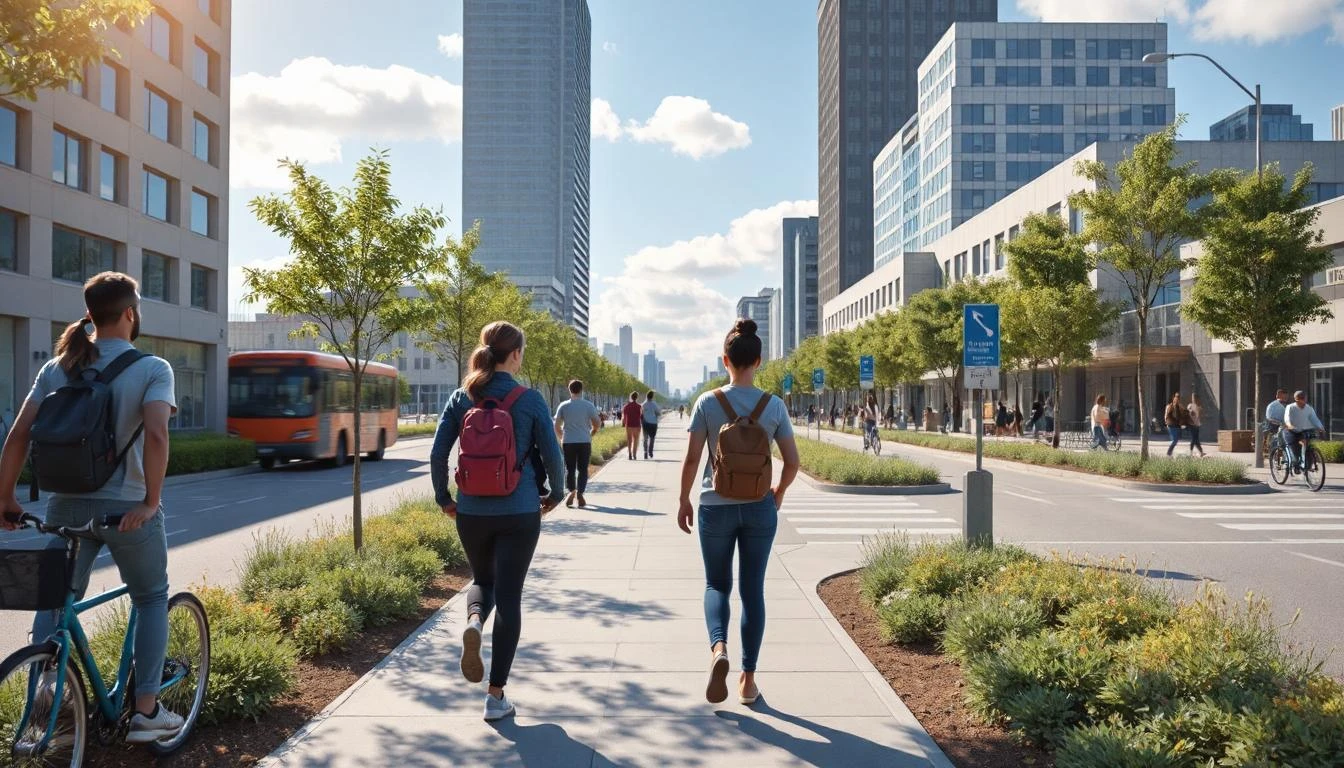
Modern cities never truly sleep. Streets stay alive, buildings continue glowing through the night, and millions of people move within the same crowded rhythm every single day. Yet behind the convenience and fast-paced lifestyle, urban communities are quietly facing a growing health crisis that many people rarely notice until it directly affects their lives. Pollution, stress, unhealthy routines, and limited green spaces are changing how people experience daily wellness in modern environments.
Today, public health solutions have become one of the most important discussions in global urban development. Governments, healthcare experts, and city planners are now searching for smarter ways to create healthier communities through cleaner environments, preventive healthcare, digital innovation, and sustainable infrastructure. As Dr. Tedros Adhanom Ghebreyesus once stated, “Health is a human right, not a privilege,” and that statement feels increasingly relevant as urban populations continue expanding across the world.
Challenges Of Public Health In Urban Areas
Life in a city can feel exciting and full of opportunities, but it also creates hidden pressures that slowly affect both physical and mental health. Many people enjoy the speed and accessibility of urban living without realizing how deeply the environment shapes their daily well-being. This is why discussions about healthier cities are becoming more urgent than ever.
The concept of urban public health continues evolving because modern health challenges are no longer limited to hospitals or disease treatment alone. Today, city wellness is connected to transportation systems, environmental conditions, housing quality, mental resilience, and even digital accessibility.
Air Pollution And Environmental Risks
Air pollution remains one of the biggest public health threats in urban areas. Vehicle emissions, industrial activities, construction dust, and poor waste management continuously reduce air quality in major cities around the world. Many residents inhale harmful pollutants every day without fully understanding the long-term impact on their lungs, heart, and immune system.
Environmental experts have repeatedly warned that poor air quality contributes to rising respiratory illnesses and cardiovascular disease. According to Dr. Maria Neira from the World Health Organization, “Clean air should be considered a basic human necessity, not a luxury.” That message reflects how environmental health now plays a critical role in shaping modern urban life.
In recent years, many cities have started implementing cleaner transportation systems, urban tree projects, and stricter environmental regulations as part of broader public health solutions aimed at reducing health risks caused by pollution.
Limited Access To Healthy Lifestyles
Urban living often encourages convenience over wellness. Fast food is available almost everywhere, while long working hours leave many people with limited time for exercise, healthy cooking, or proper rest. Over time, these patterns quietly increase the risks of obesity, diabetes, and other chronic diseases.
Access to healthy lifestyles also remains uneven between communities. In some areas, affordable nutritious food, fitness facilities, and preventive healthcare services are still difficult to reach. This imbalance creates a significant challenge for long-term public wellness.
Many experts now believe that improving healthy habits requires more than individual motivation alone. Cities must also create environments that naturally support healthier choices through accessible parks, pedestrian-friendly streets, and community wellness programs.
Stress And Crowded Living Conditions
Crowded transportation, constant noise, financial pressure, and limited personal space can create emotional exhaustion that slowly affects mental health. In many urban environments, stress has become so normalized that people often ignore its long-term consequences.
Mental fatigue does not always appear dramatically. Sometimes it develops quietly through sleep disruption, anxiety, social isolation, and emotional burnout caused by repetitive urban pressure. This growing concern has pushed mental wellness into the center of global public health solutions discussions.
Interestingly, several studies have shown that access to green spaces and walkable public areas can significantly reduce stress levels and improve emotional stability. Something as simple as spending time in a park or walking in quieter areas may positively influence mental well-being more than many people realize.
Smart Solutions For Better Urban Health
As cities continue expanding, solutions must become more adaptive, inclusive, and sustainable. Urban communities cannot rely only on hospitals to solve health problems after they happen. Prevention, education, and environmental improvements are now equally important in creating healthier living conditions.
The future of urban public health depends on how effectively cities combine technology, community engagement, and sustainable planning into everyday life. Small changes in infrastructure and public awareness can create long-term health improvements for millions of residents.
Community Health Awareness Programs
Health awareness programs play a powerful role in helping communities make smarter lifestyle decisions. Educational campaigns about nutrition, mental health, hygiene, vaccination, and preventive care encourage people to become more proactive about their well-being.
Many successful cities now organize local workshops, free wellness screenings, and community-based healthcare initiatives to improve public awareness. These programs help residents understand risks earlier before health issues become more severe.
Public participation also becomes stronger when health information is delivered in a simple, relatable, and practical way rather than through complicated medical language alone.
Improving Public Sanitation Systems
Clean environments remain one of the strongest foundations of healthy urban living. Reliable sanitation systems, safe drinking water, and proper waste management directly influence disease prevention and community safety.
Cities with poor sanitation often face higher risks of infection outbreaks, contaminated water supplies, and environmental degradation. Because of this, many governments are investing heavily in smarter waste processing systems and cleaner public facilities.
Improving sanitation may sound basic, but its impact reaches almost every aspect of urban life, from reducing disease transmission to improving overall quality of life for entire communities.
Promoting Active Transportation Options
Modern cities are increasingly encouraging walking, cycling, and public transportation as healthier alternatives to heavy vehicle dependence. These systems not only reduce pollution but also help residents stay physically active during daily routines.
Bike lanes, pedestrian pathways, and safer public transportation networks are becoming essential parts of healthier urban planning. Even moderate daily movement can improve cardiovascular health, energy levels, and emotional well-being.
This shift toward active transportation also creates more human-centered cities where public spaces feel safer, cleaner, and more socially connected.
Technology Supporting Urban Health Improvements
Technology is transforming healthcare faster than many people expected. What once required long hospital visits can now often be accessed through smartphones, digital platforms, and smart monitoring systems within seconds.
As healthcare innovation continues growing, urban public health strategies are becoming more efficient, data-driven, and accessible to wider populations. Technology is no longer supporting healthcare from the sidelines; it is becoming one of its central pillars.
Digital Healthcare Services
Telemedicine and online consultations are making healthcare more accessible for busy urban residents. People can now connect with doctors, receive prescriptions, and monitor chronic conditions without spending hours traveling through traffic or waiting in crowded clinics.
Digital healthcare also improves access for communities with limited medical facilities. This convenience helps encourage earlier diagnosis and preventive treatment before conditions become more serious.
The growing popularity of wearable health devices has also changed how people monitor sleep quality, physical activity, and heart health in real time.
Smart City Health Monitoring
Many smart cities now use digital sensors and real-time monitoring systems to track pollution levels, traffic congestion, water safety, and environmental risks. These technologies allow faster responses when health threats appear.
Data-driven urban planning helps governments identify patterns and improve public safety more effectively. Instead of reacting after problems become severe, cities can now predict risks earlier and respond more strategically.
This smarter approach creates opportunities for healthier, more resilient communities that adapt quickly to changing urban conditions.
Online Wellness Education Platforms
Online wellness platforms have become valuable tools for spreading health education to wider audiences. People can easily access fitness guidance, mental health support, nutrition information, and preventive wellness advice through digital content.
This accessibility empowers individuals to take greater control of their health habits while staying informed about emerging wellness trends and medical recommendations.
In many ways, digital education is helping close the gap between healthcare knowledge and everyday public awareness, especially among younger urban populations.
Improve Public Health Solutions For Better Urban Living Today
Healthier cities are not created through a single policy or technology alone. They are built through consistent collaboration between communities, healthcare professionals, urban planners, and individuals who care about creating safer environments for future generations.
As urban populations continue increasing, the demand for smarter public health solutions will become even more important. Cleaner air, better sanitation, accessible healthcare, mental wellness support, and sustainable city planning are no longer optional discussions. They are becoming essential parts of modern survival and long-term quality of life.
The reality is simple. Every decision made inside a city — from transportation systems to public spaces — eventually influences human health in one way or another. The more cities prioritize wellness today, the stronger and healthier future communities may become tomorrow.
If you care about the future of urban living, this is the moment to pay closer attention to how health, environment, and technology are becoming deeply connected in everyday life.